


How goofy next Battlefield cosmetics should be?
- Tom Belous (The Lanky Soldier)

- Jul 13, 2025
- 6 min read
Updated: Sep 1, 2025
Exploring the balance between playful skins and the gritty realism of Battlefield universe

The conversation surrounding cosmetics in the next Battlefield game has intensified, sparked by a revealing "leak" on BlueSky from former DICE developer. The thread described sweeping changes across DICE and the Battlefield development structure, including major shifts in design philosophy. One of the most controversial elements mentioned? A strong push toward monetized cosmetics - more specifically, potentially goofy or out-of-place skins later in the life cycle of the game, meant to feed the demands of a modern live-service economy.
In one of our latest episodes of Battlefield One Podcast, we had a discussion about this particular topic. With Battlefield reportedly shifting into a new identity under the leadership of Vince Zampella and Byron Beede (the same minds behind Call of Duty and Warzone), there's concern from long-time fans that Battlefield may lose its distinct identity.
Adding to this speculation, EA CEO Andrew Wilson confirming that new Battlefield will have a "tremendous live service" and naturally, the Battlefield community was not happy about that statement. In our companion video breakdown, we joked (half-seriously) about Battlefield partnering with pop culture IPs or dropping neon-shark operator skins like some competitors have already done, such as Call of Duty’s flamethrower-toting skeletons or Fortnite's anything-goes cosmetic model.
Combine that with the potential for re-emergence of Battlefield Mobile that may or may not be in development again, and a Warzone-style free-to-play mode that is being developed by Ripple Effect, you get a clear picture of what kind of debate is happening inside Battlefield Studios - torn between its immersive, gritty past and the colorful, profit-driven reality of modern multiplayer gaming.

In the podcast, we laid out both the serious concerns and a few hopeful caveats.
1. Aesthetic Integrity vs. Revenue Reality
Let’s face it - AAA games cost a fortune to make. As mentioned on the show, Call of Duty titles now reportedly cost over $400 million to develop. Battlefield’s next installment is being developed by multiple studios (DICE, Ripple Effect, Criterion, and Motive), which means its budget is likely massive. Selling skins, as we explained, is one of the only viable ways to monetize ongoing development without locking maps or gameplay features behind paywalls (like the old Premium Pass model did).
But that raises the stakes: how do you make cosmetics that bring in cash without destroying the look and feel of Battlefield? Battlefield 2042 gave us a taste - its operator cosmetics ranged from gritty, grounded gear to more stylized, futuristic outfits. Though 2042's cosmetics never went full unicorn suit, even a skull-faced operator rubbed some fans the wrong way.
Our position? Monetization is inevitable. The real challenge is doing it tastefully—without turning the game into an “anything goes” theme park.
2. The ‘Modern Warfare 2019’ Benchmark
In the episode, we pointed to Modern Warfare 2019 as a solid example of how to thread the needle. That game introduced a battle pass and sold cosmetic bundles regularly, but it rarely went so far off-theme that it alienated players. Even when a goofy skin popped up, it usually came with just enough narrative justification to fit within the universe (like a spy-turned-soldier scenario for a latex-wearing operator).
We argued Battlefield can adopt the same philosophy: create cosmetics that might push the boundaries of realism, but still feel like they belong in the game’s world. Think: special forces, mercs, undercover operatives - not cyborg ninjas with glowing swords.
3. Community Expectations: A divided fanbase
From a marketing and design standpoint, the Battlefield community is uniquely challenging. As we discussed in the show, most of the vocal fans - especially those who tune into our podcast - are 25+ years old, with deep nostalgic ties to Bad Company, Battlefield 4 and Battlefield 3. They don’t just want good gameplay, they want it wrapped in a serious military aesthetic.
And they’re scared. Scared of the franchise becoming another casualty of the “Warzone-ification” trend. Scared that devs will prioritize meme-worthy cosmetics over authenticity. And, perhaps most of all, scared that the Battlefield they grew up with no longer exists.
That tension came through strongly in Reddit discussions and Twitter (I refuse to call it X) threads we reviewed.
Common complaints included:
“Don’t sell cosmetics that don’t fit the tone of the game.”
“I paid $70 for the game—don’t sell me flaming shark helmets.”
“If I wanted a rainbow loadout, I’d play Fortnite.”
And these aren’t fringe opinions - they reflect a deep cultural resistance within Battlefield’s core fanbase to straying too far from the grounded, large-scale warfare experience that defined the franchise.
4. Collaborations: Crossovers or Crossover'd?
Our video touched on the possibility of collaborations, akin to what we’ve seen in other games. We joked about seeing mainstream personalities or movie franchises pop up in Battlefield - a fun idea until you imagine a soldier in the middle of a grim, muddy battlefield suddenly pulling out an emote tied to a pop artist collab.
It’s one thing for PUBG or Fortnite to go wild. But for Battlefield - where tone and setting matter so much more - it could be immersion-breaking. We’re not against collabs in theory. In fact, subtle nods or thematic gear could be awesome. But it needs to be measured, context-aware, and true to the universe Battlefield Studios is trying to build.
What this conversation reveals more than just opinions on cosmetics: it's a deep identity crisis in the Battlefield franchise. Fans want evolution, but not at the cost of what makes Battlefield feel like, well, Battlefield. And cosmetics, though often dismissed as "just skins," are central to that tension because they directly shape the game’s visual language and emotional tone.
At Battlefield One Podcast, we’re not anti-skins. We get it, cosmetics fund the live-service model and give players a reason to keep engaging. Our concern isn’t the existence of monetization; it’s how that monetization is framed.
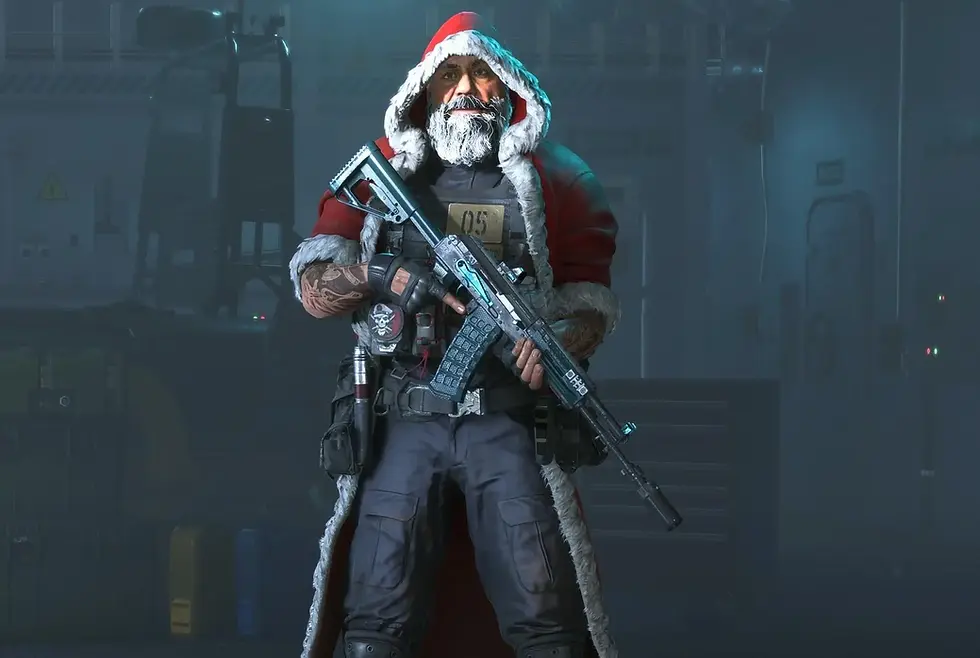
We believe in a layered approach to cosmetics that respects both old-school fans and newer audiences:
Tiered Cosmetic Styles: Basic uniforms could remain grounded and realistic, while more playful or abstract options are reserved for special events or separate modes.
Lore-Justified Skins: As we said in the episode, even a latex suit can make sense if you give it a narrative explanation (e.g. an undercover operative who had to grab a weapon in the middle of a mission gone wrong). If developers frame cosmetics as part of the universe and not detached from it, players will be far more forgiving.
Community Feedback Loops: The failure of past Battlefield games like 2042 wasn’t just mechanical, it as communicative. The developers didn’t listen until it was too late. With the new Battlefield game, we want to see EA and Battlefield Studios include the community in early tests, cosmetic previews, and feedback cycles. Even something as small as letting players vote on skin direction would help rebuild trust.
Tone-Respecting Collabs: We’re not against all collaborations. A cool, grounded crossover with any artist or brand could feel fitting, as long as it respects the sandbox we're playing in. But there’s a world of difference between a camo collab and a glow-in-the-dark shark costume. It's all about balance.
Ultimately, the conversation around cosmetics is just a microcosm of a much bigger debate: What should Battlefield be in 2025 and beyond? A gritty, immersive military shooter? A Warzone competitor? A platform for storytelling and strategy? Or a little bit of all three?
Our stance: Battlefield doesn’t have to sell its soul to survive. But it does need to be smart, respectful, and intentional about how it changes, and cosmetics will always cause debates about Battlefield's aesthetics.
This article is brought to you by the Battlefield One Podcast, where we break down announcements like this, analyze gameplay footage, and track the development of Battlefield week to week. Whether you're new to the franchise or a returning veteran, follow us on Spotify, Apple Podcasts, YouTube, or wherever you listen, and get the full picture behind the frontlines.
Before you go... Thank you for reading this article from Battlefield One Podcast - we appreciate you taking the time to be on this website and read everything we have to say. If you enjoyed what you read, be sure to check out our full podcast episodes, where we discuss the history, chaos, news, updates and community "temperature" behind the Battlefield franchise in even more detail.
This website is entirely ad-free and independently run. We’re able to keep it online, maintain the archive of all our episodes, and keep creating new content thanks to the generous support from our listeners through Patreon and direct donations. If you value what we’re building here and want to help us keep going, please consider subscribing or making a contribution.
Every bit of support means the world to us and helps us stay focused on what matters - delivering honest, detailed, no nonsense Battlefield related content without compromise.
Please go to Patreon.com/TheLankySoldier or our dedicated donation page on this website, Battlefieldone.net/Donation


